
On February 12, the Los Angeles Philharmonic presented a remarkable program that drew significant attention due to its bold combination of music and contemporary political themes. Oscar-winning actress Cate Blanchett narrated a modern, provocative script inspired by Beethoven’s incidental music for Goethe’s play Egmont, underscoring issues of tyranny in today’s world, while conductor Gustavo Dudamel led the orchestra with intensity during his final season with the LA Phil. The event’s themes and performances resonated strongly with audiences at Disney Hall over Valentine’s weekend.
Unprecedented Demand Reflects a Timely Cultural Moment
The concert series throughout the weekend was nearly sold out, with three out of four performances fully booked in advance and only limited seats remaining for a Friday morning show, where ticket prices ranged from $197 to $324.50. This high turnout was driven by multiple factors, including the presence of Cate Blanchett, the rising star pianist Yunchan Lim, the enduring appeal of Beethoven’s music, and the significance of Dudamel’s concluding LA Phil season.
Beethoven’s Egmont: A Historical Call to Freedom
Beethoven’s Egmont Overture has long been a staple for the LA Phil, originally featured by Carlo Maria Giulini during his 1978 debut as music director. The work’s foundation is the dramatic struggle of Protestant Dutch people seeking liberation from 16th-century Spanish Catholic rule. Goethe’s play expanded on this narrative by introducing Klärchen, the martyred mistress of the hero Egmont, with further adaptations by later contributors reinforcing themes of resistance. This history provided Dudamel and the orchestra a frame to explore modern struggles against oppression.
Jeremy O. Harris Crafts a Contemporary Narrative
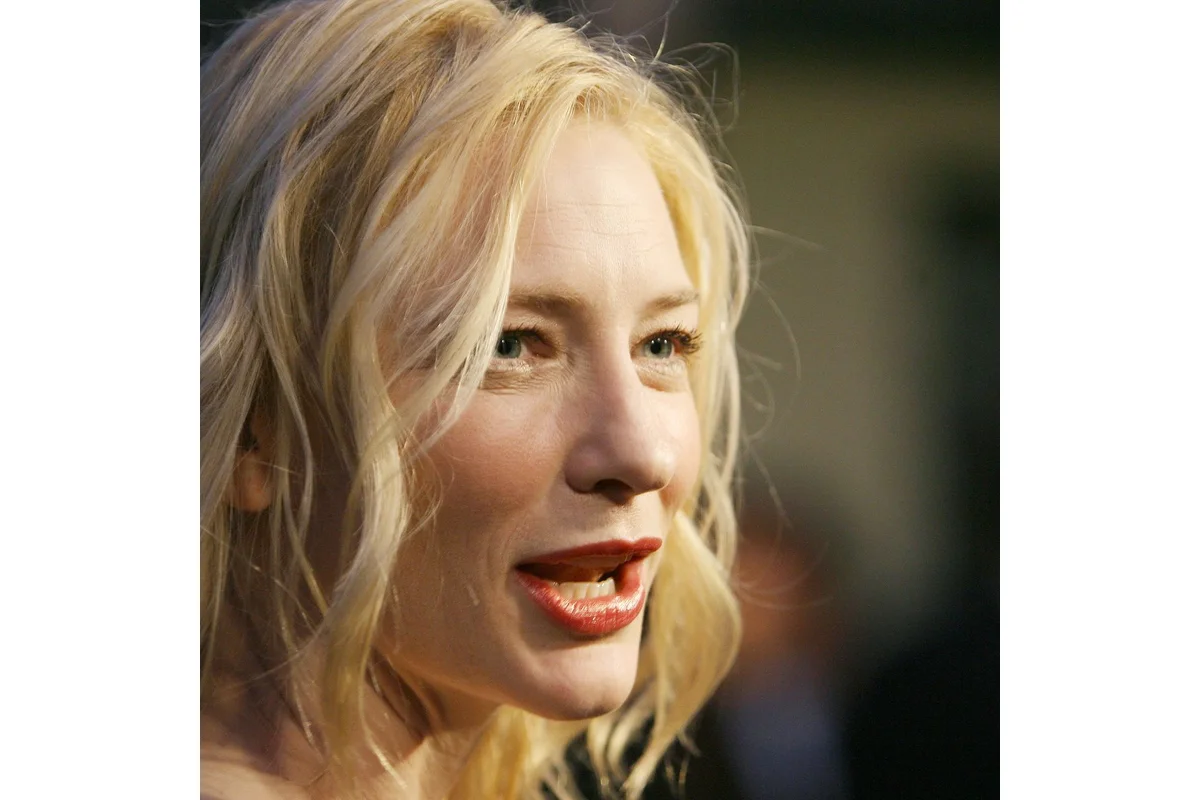
The traditional narrative was transformed by Tony Award-nominated playwright Jeremy O. Harris, who created an almost entirely new text that echoed recent political strife. His script, delivered by Cate Blanchett, referenced current issues of authoritarianism with explicit mentions of places like Tehran, Minneapolis, and Charlotte. Blanchett intertwined these with poignant historic warnings such as those from Martin Niemöller’s First They Came, drawing parallels between past silence and present consequences.
Cate Blanchett’s Stirring Performance on Disney Hall’s Stage
Blanchett’s narration was presented dynamically from various points around the stage, culminating in the organ loft where she passionately urged rebellion “so inquisitions are no more,” accompanied by vigorous dancing as the orchestra reprised the crescendo of the Egmont Overture. Her presence and words left a strong impression, underscored by an intense energy that perfectly aligned with the orchestra’s fiery execution.
First they came for the Socialists, and I did not speak out,
Martin Niemöller, Pastor
Guaranteed this will not be presented at the Kennedy Center,
Unattributed observer
Additionally, Blanchett cited Renee Good’s final words alongside the harsh slurs uttered by the ICE agent responsible for her death, fuelling the contemporary urgency of the performance.
Dudamel’s Conducting Intensifies Revolutionary Fervor
Following the impassioned overture, the entr’actes took on heightened significance under Dudamel’s energetic baton. The music alternated between fiery expressions and classical elegance, especially in the two lieder, Die Trommei gerühret and Freudvoll und leidvoll, sung by Cuban American soprano Elena Villalón. Her voice, flowing warmly from a position nestled between cellos and clarinets, added emotional depth to the program.
Interpreting Beethoven’s Legacy Amid Today’s Authoritarian Challenges
Though some might consider the performance overblown, the allusions to contemporary political realities — particularly referencing the policies of the Trump administration and others worldwide — made the message unmistakable. The concert stayed true to Beethoven’s own history as a freedom fighter and his persistent calls against tyranny, shaping a meaningful context for audiences.
Yunchan Lim’s Masterful but Variable Piano Work
In Robert Schumann’s Piano Concerto, pianist Yunchan Lim displayed remarkable skill and emotional range. At moments, he unleashed thunderous power with wild hair and flashing fingers, while often delivering a reflective, nuanced interpretation marked by crystalline clarity and expressive rubatos in the outer movements. His playing in the Intermezzo was tender and lyrical, although some louder sections saw slight blurring of octaves and chords. Lim’s performance, although occasionally overstretched, revealed exceptional gift and controlled Romantic sensibility, complementing Dudamel’s firm direction.
Lim concluded with a solitary rendition of Chopin’s Waltz in A minor, Op. 34, No. 2, which was intentionally slow and stretched, highlighting his individuality but suggesting the need for more refined tempo judgment.
World Premiere of Ricardo Lorenz’s Humboldt’s Nature Adds Latin American Flair
The concert opened with the world premiere of Humboldt’s Nature, a richly orchestrated, five-movement tone poem by Venezuelan composer Ricardo Lorenz, who currently leads the composition department at Michigan State University. The work draws on Alexander von Humboldt’s 1799 exploratory expedition through Venezuela, honoring the scientist’s transformation into an abolitionist and humanist.
Lorenz’s composition begins with radiant percussion and evolves into vibrant Latin American-inspired motifs. Intricate rhythms and syncopated brass interplay with percussion effects mimicking natural sounds, while a seven-note theme circulates among sections. A delicate intermezzo provides contrast before the finale erupts into chaotic, jungle-like bursts reminiscent of Heitor Villa-Lobos wandering South American wilds. Unexpectedly, the piece closes with a blend of natural and electronic sounds played through surrounding speakers, delivering an immersive experience.
Dudamel’s enthusiasm for this dynamic work was visible as he physically engaged with the score’s pulsating energy, showcasing his commitment to expanding the LA Phil’s repertoire with powerful Latin American music.
The Cultural and Artistic Impact of the Evening
This program was emblematic of Gustavo Dudamel’s efforts to broaden the orchestra’s musical horizons and highlight urgent societal issues through performance. By integrating Cate Blanchett’s commanding presence and contemporary script with Beethoven’s enduring message, the event bridged centuries of resistance against tyranny. The spotlight on Latin American composers like Ricardo Lorenz further diversified the musical landscape, reinforcing the Philharmonic’s role as a vital cultural institution aware of both historical and current struggles.
As Dudamel approaches the final stretch of his tenure, such programs underscore his legacy of artistic daring and political awareness, setting expectations for future performances to continue challenging audiences to engage deeply with music’s social context.
