
Filmmaker James Cameron has voiced intense concern over Netflix’s pending acquisition of Warner Bros. Discovery, warning that the deal could severely harm the theatrical movie industry. In a letter sent recently to Republican Senator Mike Lee, chair of the Senate subcommittee on antitrust, Cameron argued that the merger threatens thousands of cinema-related jobs and the future of theatrical releases. This growing debate in Hollywood highlights tensions between traditional studio models and streaming platforms, with Cameron firmly opposing Netflix’s plans to alter Warner Bros.’ film distribution.
Cameron’s Call to Action: Protecting Theatrical Filmmaking
Known for his dedication to movie theaters, James Cameron expressed his fears that Netflix’s leadership under co-CEO Ted Sarandos, despite his reassurances, would prioritize streaming over cinema experiences. Cameron cited his own film projects, like Avatar, which generate a vast number of jobs, including positions in theaters, service providers, and VFX companies. He predicted that if Netflix disrupts the market by limiting theatrical releases, it would lead to fewer films being made, theater closures, and widespread job losses in the motion picture ecosystem.
“I believe strongly that the proposed sale of Warner Brothers Discovery to Netflix will be disastrous for the theatrical motion picture business that I have dedicated my life’s work to,”
Cameron stated.
“Of course, my films all play in the downstream video markets as well, but my first love is the cinema.”
“If such films are no longer green-lit because the market contracts further, which the Netflix acquisition of Warner Brothers will certainly accelerate, then many jobs will be lost. Theaters will close. Fewer films will be made. Service providers such as VFX companies will go out of business. The job losses will spiral.”
Netflix’s Strategy Clashes With the Cinematic Experience
While acknowledging that Ted Sarandos is a
“good person and a clever business leader and innovator,”
Cameron emphasized that Netflix’s business objectives fundamentally conflict with the sustainability of the cinema sector. He criticized the company’s proposed 17-day theatrical window as too brief and ineffective at preserving movie theaters’ viability, also expressing doubt that Netflix would honor this limited window for long.
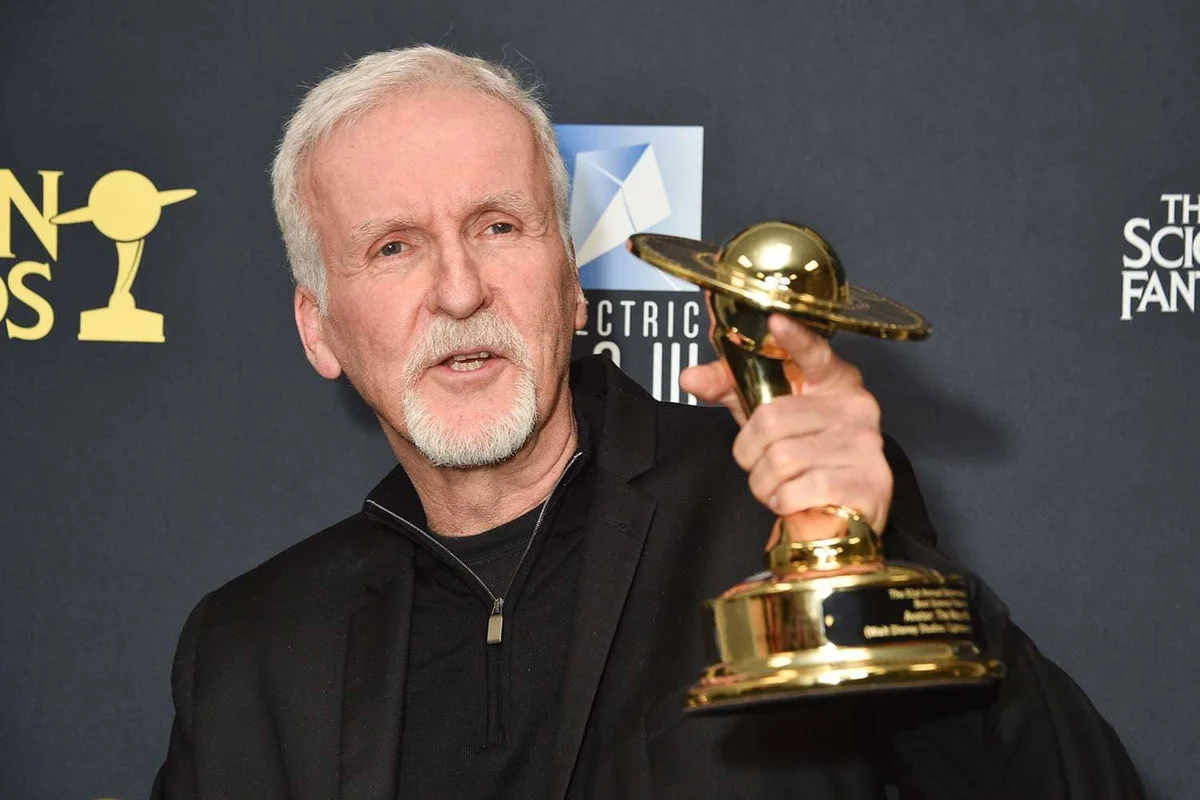
Rather than advocating for an alternative buyer like Paramount, Cameron positioned himself as a seasoned industry expert warning of the potential negative consequences for film production and distribution if Netflix’s bid succeeds. His letter also revealed a rare touch of humor, as he referred to himself modestly as “but a humble movie farmer,” underscoring his deep investment in the traditional film industry.
Heightened Congressional Scrutiny and Industry Implications
Cameron’s letter followed a February 3 hearing held by the Senate antitrust subcommittee, where Netflix executives and Warner Bros. Discovery representatives testified. Senator Mike Lee has indicated plans for further meetings to examine the merger’s implications more closely. This illustrates increasing governmental vigilance regarding media consolidation and its potential impact on competition and employment within Hollywood’s ecosystem.
The outcome of this regulatory review could shape the landscape of movie production and distribution for years to come. Cameron’s vocal opposition underscores the larger conflict between streaming giants and legacy studios, raising important questions about the future of theatrical filmmaking and the jobs it supports.
