
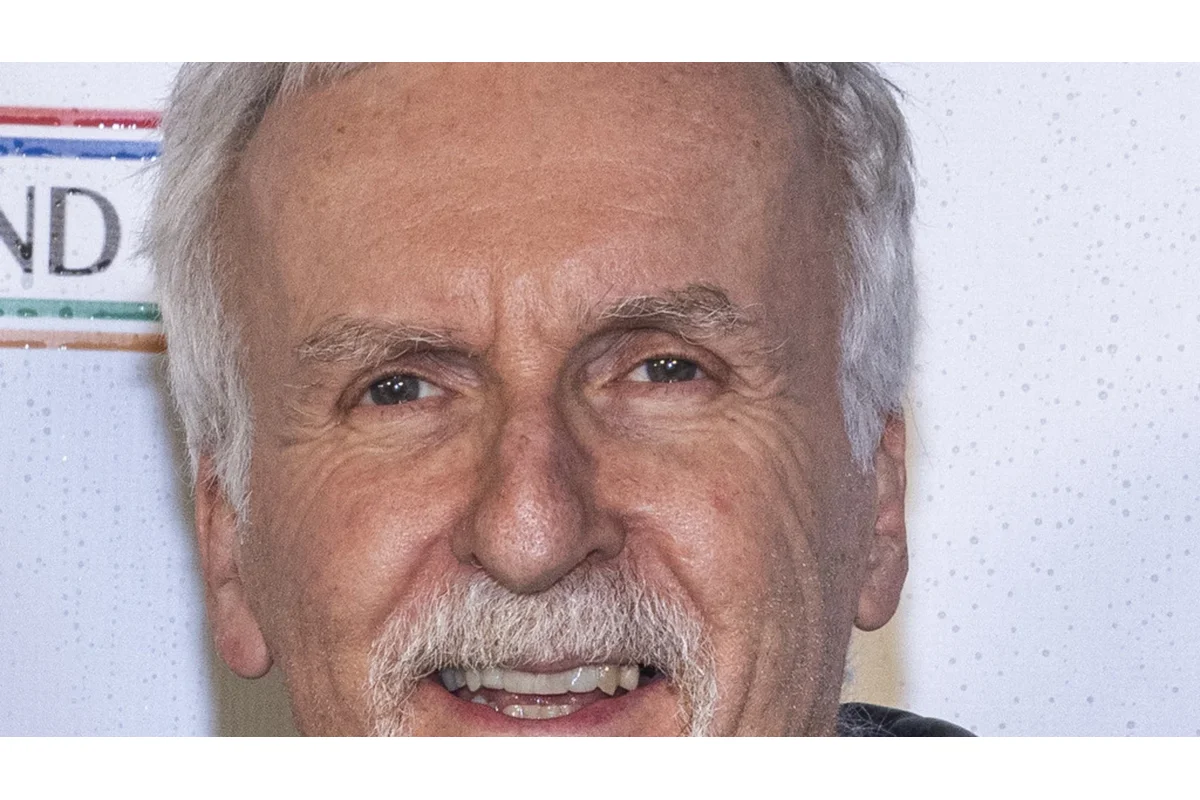
James Cameron, director of the Avatar films, has issued a stern warning about the potential consequences of Netflix’s proposed acquisition of Warner Bros. Discovery. He argues that the streamer’s business model fundamentally conflicts with the traditional theatrical distribution system, threatening the survival of movie theaters. Cameron’s concerns arise amidst growing congressional scrutiny and industry competition surrounding Netflix’s bid to acquire Warner Bros.’ studio and streaming assets.
The filmmaker recently addressed a letter to Senator Mike Lee, an influential voice on antitrust matters, expressing his belief that the merger could devastate both cinemas and the jobs they support. Cameron’s critique comes as Paramount CEO David Ellison is actively pursuing a competing offer for Warner Bros., intensifying the stakes for control of the historic studio.
Cameron Emphasizes Theatrical Experience as Core to Cinema’s Identity
Throughout his career, Cameron has championed the cinema as a theatrical event rather than merely a product for home viewing or streaming. Although he recognizes streaming as part of a film’s extended distribution life, he insists that the initial theatrical release remains essential to the film industry’s health. Cameron underlined this view in his letter, stating:
“I believe strongly that the proposed sale of Warner Bros. Discovery to Netflix will be disastrous for the theatrical motion picture business that I have dedicated my life’s work to,”
while noting that his movies succeed in downstream video platforms, his passion lies with traditional cinema.
He stressed that this stance is not nostalgic affectation but a practical matter tied to the economics of film production and distribution. Cameron projected that if wide-release films diminish in scale, the industry will face a cascade of negative effects: theater closures, fewer productions, and widespread job losses.
“Theaters will close. Fewer films will be made. The job losses will spiral.”
The Clash Between Netflix’s Model and Legacy Film Studios
Cameron highlighted a fundamental incompatibility between Netflix’s streaming-focused business and the theatrical motion picture ecosystem. In his letter, he stated:
“The business model of Netflix is directly at odds with the theatrical film production and exhibition business,”
adding that this discord extends to:
“the business model of the Warner Brothers movie division.”
The warning suggests that merging a theatrical-focused studio with a predominantly streaming company could undermine established practices critical to the film industry’s theatrical branch.
Senator Mike Lee Acknowledges Industry Concerns Ahead of Antitrust Review
Senator Mike Lee, who leads the Senate subcommittee on antitrust, competition policy, and consumer rights, responded to the ongoing discussions by recognizing outreach from voices across the creative community. Lee indicated that the subcommittee is attentive to these concerns and is considering expanded investigation.
“We have received outreach from actors, directors, and other interested parties about the proposed Netflix and Warner Bros. merger, and I share many of their concerns,”
he remarked, also signaling anticipation of a follow-up hearing to delve deeper into the merger’s implications.
Competitive Bidding Heats Up as Netflix and Paramount Vie for Warner Assets
The proposed Netflix deal comes amid intense competition. Reuters noted that Netflix has offered approximately $82.7 billion, priced at $27.75 per share, for Warner Bros.’ entertainment division. Meanwhile, Paramount is aggressively pursuing a rival bid for the entire company. Under current terms, Paramount has until February 23, 2026, to submit its best and final offer.
This bidding war sets the stage for a complex corporate showdown, with industry leaders and lawmakers closely observing the outcome for its broader impact on Hollywood’s future structure.
Possible Global Implications for the American Film Industry
Cameron has expressed concerns that the damage from a streamer-led studio might extend beyond U.S. theaters, potentially weakening Hollywood’s international influence. He warned that the traditional pipeline, which feeds global movie culture, could be deprioritized under Netflix ownership, thus diminishing the U.S.’s global leadership in film.
“The U.S. may no longer lead in auto or steel manufacturing, but it is still the world leader in movies. That will change for the worse,”
Cameron wrote, emphasizing the importance of maintaining the U.S.’s cultural export status.
Cameron’s Intervention Adds Momentum to Antitrust Discussions in Hollywood
Though James Cameron is known for his strong opinions, his decision to formally address antitrust authorities elevates the debate from artistic circles to regulatory arenas. His concerns feed into an ongoing industry conversation about whether consolidation within streaming and traditional studios is an unavoidable trend or a harmful development.
James Cameron’s critique highlights the tension between evolving distribution models and the preservation of theatrical exhibition, underscoring the complex questions facing Hollywood’s business practices in the digital age.
Netflix’s Promises and Industry Skepticism
Netflix CEO Ted Sarandos has attempted to reassure filmmakers and the industry that the company intends to maintain Warner Bros.’ theatrical slate, including a traditional 45-day window before films become available on premium video-on-demand and HBO Max. Even so, these promises face a challenging test, including congressional antitrust scrutiny and a simultaneous challenge from Paramount Skydance for Warner’s assets.
Sarandos has sought to reset public perception after earlier comments dismissing theaters as an “outdated concept” stirred criticism, stating:
“We’re buying a business model, and we’re going to invest in it and grow it, not kill it.”
Despite these assurances, industry observers remain cautious, considering the potential for shifts in release strategies and the implications for theatrical exhibitors and film production.
James Cameron’s Future Projects Remain Theatrical
Given his public objections to the streaming takeover of theatrical studios, it appears unlikely that Cameron will partner with Netflix for his upcoming films anytime soon. His commitment to the traditional cinematic experience remains a defining feature of his career, and his recent statements reinforce his preference for the big-screen model over streaming-first approaches.
