
Filmmaker James Cameron has expressed deep concerns about Netflix’s proposed acquisition of Warner Bros. Discovery, warning that the deal could severely harm Hollywood’s traditional film industry. Cameron’s apprehensions were detailed in a letter addressed to Senator Mike Lee (R-Utah), who leads the Senate subcommittee on antitrust issues, where he emphasized conflicts between Netflix’s streaming model and Warner Bros.’ theatrical film business.
According to Cameron, Netflix’s approach clashes with the theatrical movie sector, which supports hundreds of thousands of American workers, and threatens the operations of one of the last major Hollywood studios, Warner Bros., known for blockbuster films like Titanic and the Avatar series. He argues that the deal could bring extensive job losses, disrupt the traditional theater experience, and damage a vital American cultural export.
The business model of Netflix is directly at odds with the theatrical film production and exhibition business, which employs hundreds of thousands of Americans,
Cameron stated in his February 10 letter to Senator Lee.
I believe strongly that the proposed sale of Warner Brothers Discovery to Netflix will be disastrous for the theatrical motion picture business that I have dedicated my life’s work to,
Cameron added.
Industry Concerns About Impact on Theatrical Releases
Many industry insiders echo Cameron’s worries, fearing that a merger of a major streaming service and a traditional movie studio could lead to fewer theatrical film releases. Cameron specifically highlighted the potential consequences for theater owners and their employees, concerned about how shifting productions toward streaming platforms would undermine the viability of movie theaters at a critical time.
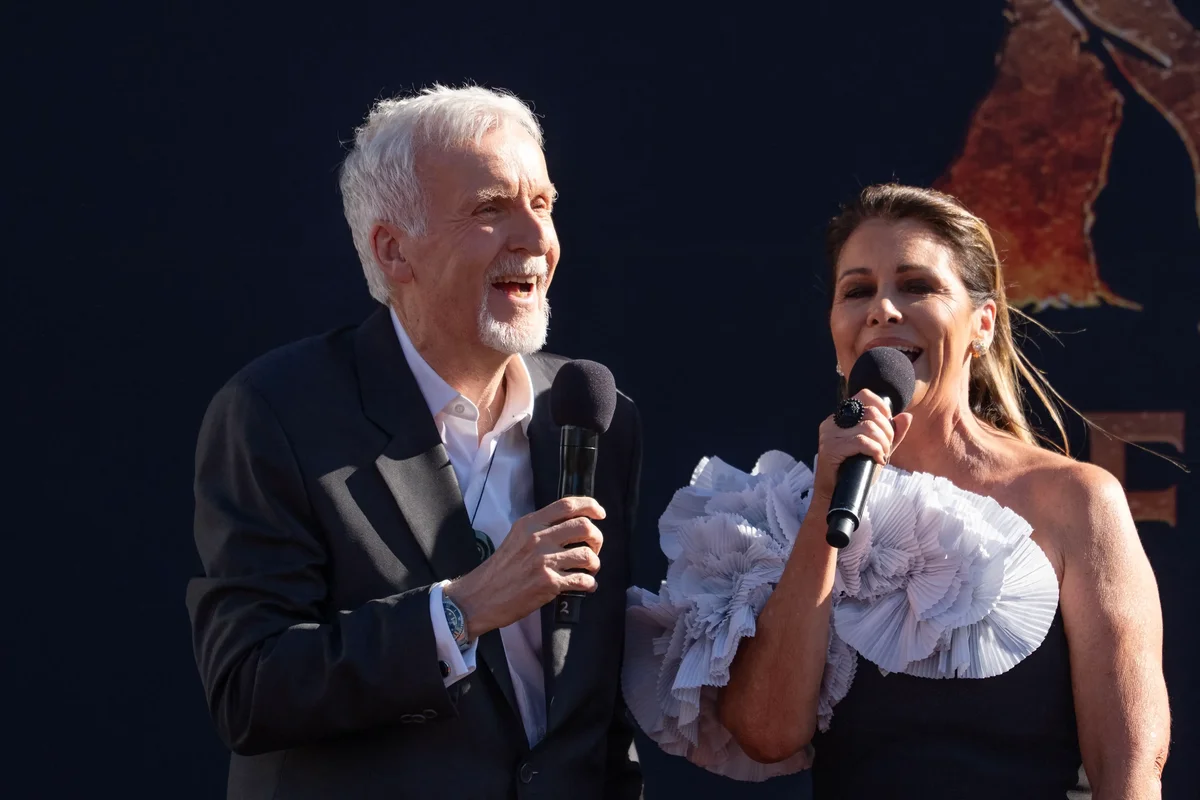
It will be a blow to the exhibition community (theater owners and their tens of thousands of employees) at a critical time to have this production output redirected to streaming,
Cameron wrote, underscoring the risk to the theatrical sector.
Netflix executives, including Co-CEO Ted Sarandos, along with Warner Bros. Discovery’s Bruce Campbell, defended the deal during testimony before the Senate committee on February 3. They stressed Netflix’s ongoing investments in film and television production, citing a planned $20 billion spend in 2026, and reassured lawmakers by committing to maintain a 45-day theatrical window before streaming releases become available.
Renewed Negotiations With Paramount Introduce Uncertainty
Netflix initially agreed to acquire Warner Bros. Discovery’s studio and streaming operations for $27.75 per share in early December. However, the acquisition process has grown complicated as Paramount Global, through its Skydance partnership, entered the bidding, prompting Warner Bros. to pause the Netflix deal and reopen discussions with Paramount.
Paramount has until February 23 to submit its final offer, with the Warner Bros. board scheduled to vote on March 20. This head-to-head competition may push the purchase price higher, as Paramount’s latest proposal reportedly values the company at $30 per share.
Warner Bros. stock has strengthened recently, up 2% this week following gains the previous week, while Netflix shares have stabilized after a prolonged decline. Paramount’s stock likewise showed a notable 6% rise amid the bidding activity.
Implications for Hollywood’s Future and Market Dynamics
James Cameron’s objections highlight growing tensions over the future of theatrical film distribution and the influence of streaming platforms. His warning signals potential disruptions not only to employment within the motion picture ecosystem but also to the cultural role of cinemas in the United States.
As negotiations between Netflix, Warner Bros., and Paramount continue, the outcome could reshape Hollywood’s business model, affecting industry stakeholders from studio executives to theater workers. The decision will likely influence how films are produced, released, and consumed in the years to come, signaling a critical turning point amid evolving consumer preferences and technological shifts in media distribution.
