
For a first-time director, managing a film set is challenging enough without the presence of an A-list star who is also a two-time Academy Award-winning filmmaker. This was the case when Mel Gibson took a dominant role during the production of a debut feature, exercising significant control over the project. His involvement dramatically shifted the direction of the film, influencing both the creative team and the final product.
The newcomer director faced an uphill battle, as Gibson not only led the cast but supported the film through his own production company. The rookie was sidelined from day one, even excluded from the set for portions of the shoot. Gibson used his influence to bring in his preferred writers and replaced the director’s vision with one that aligned more closely with his own ideas on how the movie should unfold.
Brian Helgeland’s Early Collaboration with Mel Gibson
Before this conflict, Brian Helgeland had already worked with Gibson and director Richard Donner on the 1997 thriller, Conspiracy Theory. Helgeland, fresh off an Oscar win for writing LA Confidential, crafted the screenplay with Gibson in mind for the lead. Although Gibson was initially skeptical about whether the script was truly tailored for him, he quickly found the story compelling enough to agree to a new project together. That project was the 1999 film Payback, a loose adaptation of Richard Stark’s novel The Hunter.
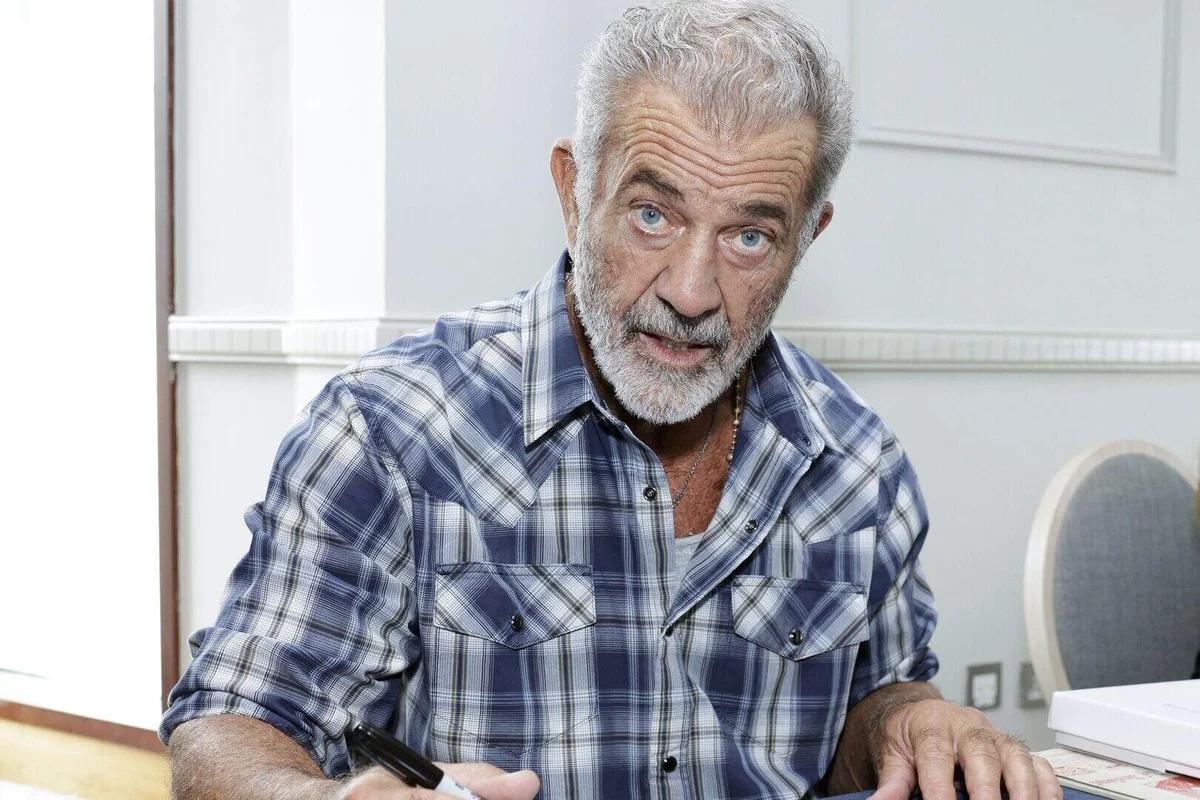
He said he had written it for me. I had my doubts,
Gibson admitted.
They usually like to flatter you on these matters. Yes, OK, they lie. Anyway, this lying bastard sent me the script. And before I knew it, I kind of liked it. I found it really intriguing, very well-written. And he’s a very clever guy, so much that I’m actually doing a picture with him. But he wrote, now, he’s going to direct. I think he’s good.
– Mel Gibson, Actor
The Struggle Behind the Scenes During Payback
Despite Helgeland’s role as the credited director and writer, Payback became a battleground for creative control. Disputes, often described as “creative differences,” intensified as Gibson took steps to reshape the film’s direction. The actor enlisted hairstylist Paul Abascal to supervise reshoots—an unusual choice meant to ensure Gibson could subtly direct without violating industry norms known as the “Eastwood Rule.”
Gibson also arranged for Kris Kristofferson to play a villain character added during reshoots, a role not present in the original script. Although such interventions might typically cause tension, Gibson downplayed their significance, emphasizing the gritty texture and tone they added to the film.
That’s film, the grittiness of it, the humour, the texture of it.
– Mel Gibson, Actor
There were changes required from the studio and from the producers, and I’m one of the producers; it’s my production company,
Gibson told the Sun Sentinel.
We engaged Brian and asked him if he would think about some changes and some reshoots. He opted not to do those because he felt it was compromising his artistic integrity, which is fine. He can’t go there if he really believes that, and he did.
– Mel Gibson, Actor
Gibson’s account frames the conflict as a clash of artistic visions and production demands, with Helgeland ultimately refusing to compromise on his creative principles. In effect, Gibson’s intervention sidelined the first-time director and imposed a different finishing touch on a film that was already mid-production.
The Aftermath and the Unreleased Original Vision
Payback was commercially successful, maintaining Gibson’s run of hits in the 1990s. However, the story behind its making highlights the difficulties first-time directors can face when working alongside powerful stars who also hold producer roles. Almost ten years later, audiences finally had the chance to view Helgeland’s original cut in Straight Up: The Director’s Cut, which revealed a version of the movie that many consider superior to the theatrical release shaped largely by Gibson’s influence.
This episode underscores the complexities that emerge when a first-time director collaborates with industry veterans who wield significant creative authority. It illustrates how control can shift rapidly and reshape a project’s outcome, affecting both the film’s final look and the director’s artistic voice. The experience stands as a cautionary tale for emerging filmmakers navigating collaborations with established stars who carry their own production power and creative agendas.
