
Quentin Tarantino, the acclaimed director known for his distinct filmmaking style, plans to retire after completing his tenth feature film, referred to as the Quentin Tarantino final project by fans eagerly awaiting its arrival. However, instead of rushing to direct this concluding movie, Tarantino has surprised many by writing a stage play, signaling a major shift in his creative focus. This move comes amid delays and uncertainties surrounding his final film, whose development appears to have taken a backseat for now.
Unexpected Shift: Tarantino’s Move into Theatre
Following his announcement to retire after his tenth film, Tarantino scrapped plans for the project titled The Movie Critic, leaving fans uncertain about what to expect next. While fellow prominent director David Fincher took charge of the film adaptation of The Adventures of Cliff Booth, which Tarantino wrote as a follow-up to Once Upon a Time in Hollywood, Quentin Tarantino himself has not yet embarked on launching his final movie. His focus recently shifted to different pursuits, with the most striking development being his venture into theater.
According to reports from the Daily Mail, Tarantino has drafted a stage play classified as a British farce, though neither its title nor plot details have been revealed. The play is said to be inspired by the tradition of Noises Off, a critically acclaimed farce that humorously follows a theater troupe as they struggle to perform a play-within-a-play. Expectations are that the play will not premiere on London’s West End before 2027, though late 2026 is described as a distant possibility. Tarantino is actively negotiating with major Hollywood actors for the play’s cast and is currently evaluating potential venues for its staging.
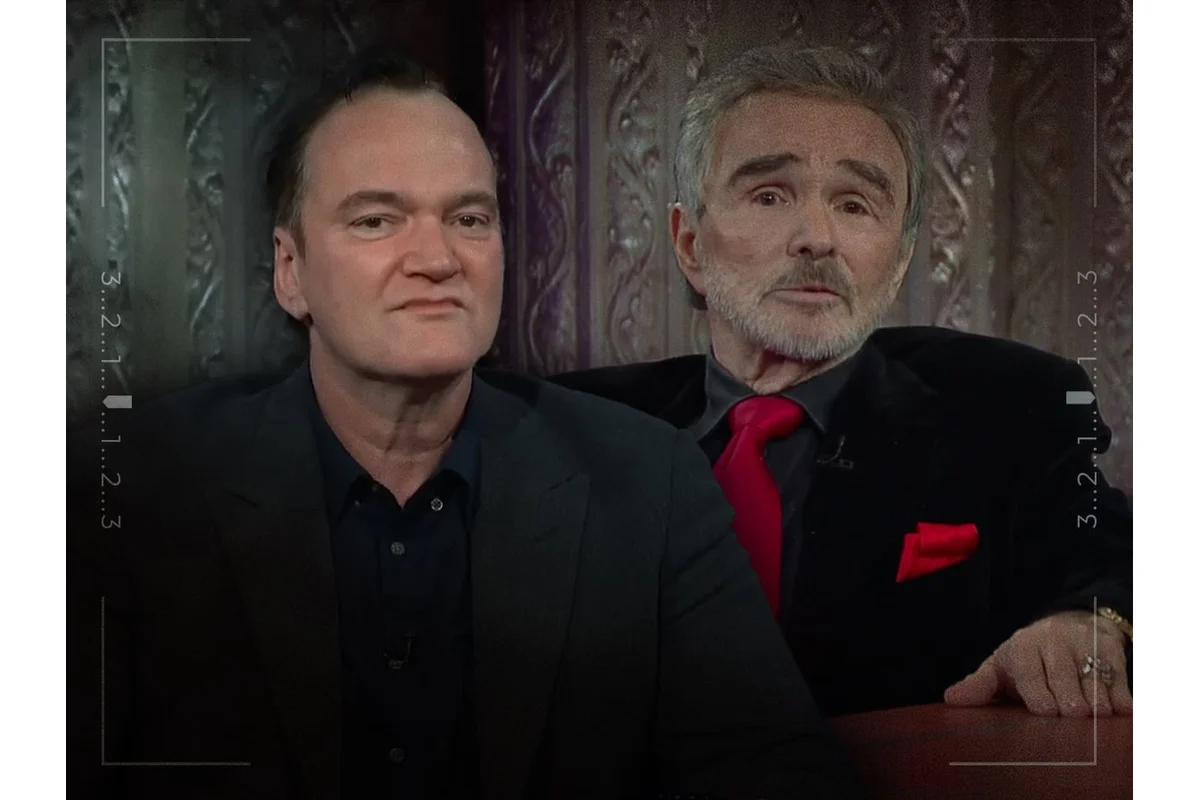
“late 2026 is still a remote possibility.”
– Source: Daily Mail report on Quentin Tarantino’s play
Impact of the Play on Tarantino’s Final Film Timeline
During a podcast appearance last summer, Tarantino revealed that working on this stage play could consume between a year and a half to two years of his time, underscoring the scope of his commitment to this new project.
“probably going to take up a year and a half to two years of my life.”
– Quentin Tarantino, Director
This timeline likely postpones the arrival of Tarantino’s final film, potentially placing its release no earlier than 2029. That would mark a full decade since Once Upon a Time in Hollywood premiered, underscoring a significant gap between his ninth and tenth films. Given Tarantino’s known preference for carefully developing his projects at a deliberate pace, it is plausible that the movie might not appear until well into the 2030s, especially since he still needs to settle on a concept and complete the screenplay.
Tarantino’s delay in solidifying his final film reflects his dedication to maintaining a self-imposed limit of ten movies, ensuring that his career ends on a high note. With a lineup of highly regarded films including Pulp Fiction, Inglourious Basterds, and Once Upon a Time in Hollywood, Tarantino is regarded as one of the most influential filmmakers of his generation. The pressure to cap off his work with a deserving final film adds weight to his careful approach, as he aims to avoid an anticlimactic farewell to his directorial career.
Emotional and Creative Challenges Behind the Delay
Another factor contributing to Tarantino’s hesitation may be the emotional complexities tied to following up his ninth film, which many consider a near-perfect final statement. Once Upon a Time in Hollywood combined many hallmarks of Tarantino’s style and served as both a nostalgic love letter to the late 1960s and a poignant narrative. Surpassing this work as a closing piece presents a daunting challenge even to a director of Tarantino’s caliber.
Some believe that Tarantino might be wrestling with unrealistic expectations, with fans suggesting he could accept that his next film may not eclipse his previous success but might still provide a meaningful conclusion to his career. Meanwhile, his work on a British farce play may reflect his intent to explore new creative avenues outside of cinema, possibly revitalizing his enthusiasm for filmmaking once again.
Theatrical farce is a genre Tarantino has never publicly tackled before, which, paired with his renowned talent for sharp and engaging dialogue, positions him well to succeed in this different format. This new endeavor allows fans to see another side of his creativity while they await the final chapter of his filmography. His venture into theater may influence his creative process and reenergize his cinematic ambitions when the time comes.
Looking Ahead: What This Means for Tarantino’s Legacy
Quentin Tarantino’s decision to write and produce a stage play between his cinematic projects adds an unpredictable and intriguing layer to his professional trajectory. By embracing a form of storytelling outside of his usual film medium, Tarantino demonstrates a willingness to challenge himself creatively while managing the expectations tied to his much-anticipated Quentin Tarantino final project. This play could serve as a pivotal moment, either delaying that tenth film further or opening new pathways for his creative expression.
Fans and industry watchers will be eager to observe how Tarantino negotiates this new artistic path and whether his theatrical work will influence the style and tone of his eventual final film. While the play might debut after some years of development, it offers a glimpse into the evolution of Tarantino’s craft and his determination to leave an indelible mark on entertainment beyond the silver screen.
As Tarantino balances the demands of writing this British farce and selecting a cast of prominent actors, the entertainment world waits with anticipation for what comes next, both on stage and in cinema. His choices in the coming years will undoubtedly shape his storied legacy and the lasting impact of his final creative statements.
