
George Lucas, famously known as the creator and producer of Indiana Jones, initially resisted the idea of casting Sean Connery as the archaeologist’s father. This hesitation arose during the production of the 1989 film The Last Crusade, where Sean Connery ultimately played Henry Jones, Sr., alongside Harrison Ford as Indiana Jones. Understanding why Lucas was reluctant sheds light on the complexities behind this iconic casting choice.
In 1989, Steven Spielberg returned to direct the third Indiana Jones movie, The Last Crusade, after the darker tone of 1984’s Temple of Doom. This film revisited the adventurous feel of the original 1981 movie, Raiders of the Lost Ark. The storyline followed Indiana Jones on a quest to find the Holy Grail, supported by his father, Henry Jones, Sr., portrayed by Sean Connery—a casting decision that faced notable resistance from George Lucas.
George Lucas’ Doubts About Sean Connery’s Role
George Lucas, who had previously been uncertain about casting Harrison Ford as Indiana Jones, was also skeptical about Sean Connery playing Indy’s father. While Steven Spielberg viewed Connery, the former James Bond, as the ideal choice for the role, Lucas worried about the actor’s strong association with Bond. Spielberg held Connery as his top pick but had Gregory Peck in mind as a backup should Connery decline.
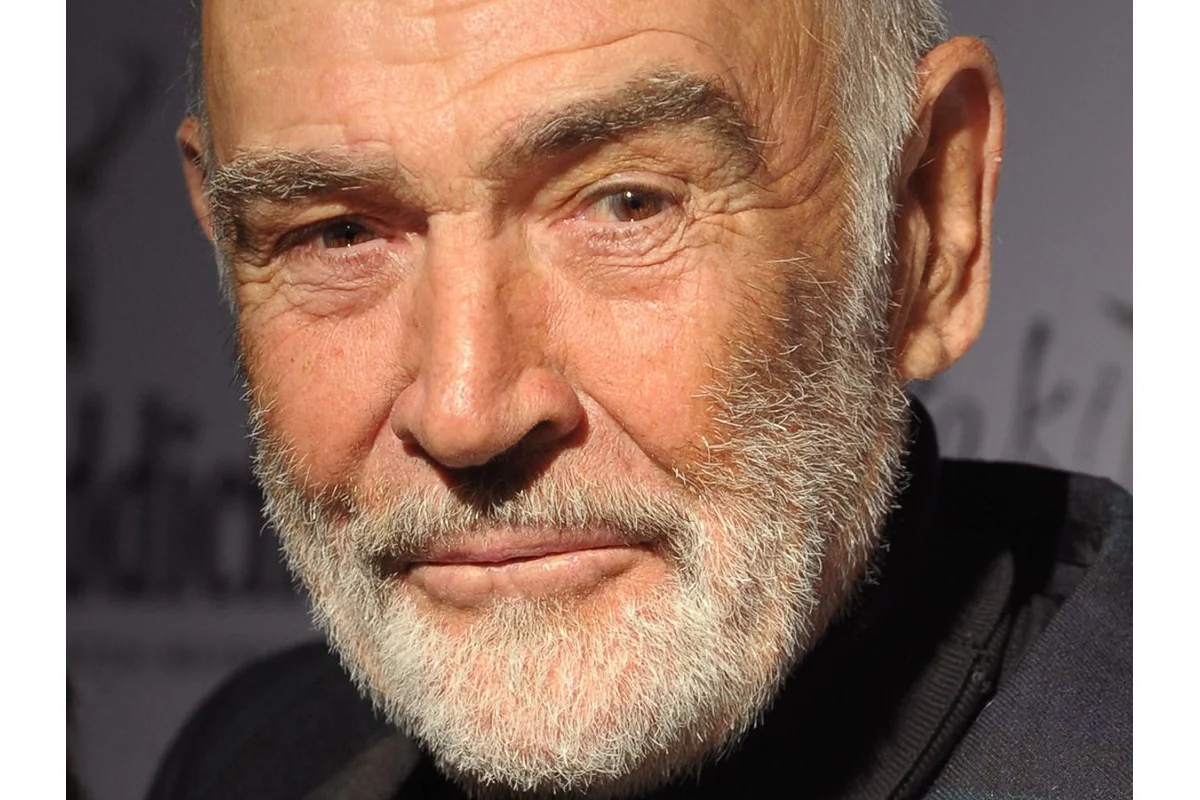
Spielberg felt that Sean Connery’s charisma could match Harrison Ford’s commanding screen presence. He shared,
“I was terrified that Harrison, who has a very strong screen presence, would completely overshadow anyone else playing his father!”
—Steven Spielberg, Director, as quoted by Alexis Orsini in Harrison Ford, the Actor Who Didn’t Want to Be a Star. However, Lucas had reservations that Connery’s Bond persona might spark an ego conflict on set or blur the distinct identities of the characters, turning the dynamic into a contest between Indiana Jones and Her Majesty’s secret agent.
The Casting Debate: Connery vs. Alternatives
Lucas’ unease stemmed from concerns about audience perception and behind-the-scenes dynamics. He feared that Connery’s iconic James Bond image was too dominant, potentially overshadowing the archaeology hero’s world. Spielberg, however, saw Sean Connery’s involvement as an opportunity to fulfill a personal desire to work with the actor, given his dream of directing a James Bond film himself.
Initially hesitant about Sean Connery as Indy’s father, Spielberg advocated firmly for his casting. Even Harrison Ford, despite Lucas’s doubts about Ford’s own credibility as Indiana Jones due to his portrayal of Han Solo in Star Wars, supported Connery joining the cast. Ford welcomed the chance to act alongside the cinema legend, demonstrating confidence in the chemistry they could create onscreen. Under this collective support, George Lucas eventually conceded.
Sean Connery’s Reservations and On-Set Success
Sean Connery himself had uncertainties about the role, considering that the age gap between him and Ford was only twelve years, which he felt was insufficient to convincingly portray Indy’s father. Connery was also concerned about the limited screen time, as his character appeared mainly in the film’s second act. Despite these doubts, he accepted the role after Spielberg agreed to allow him some input on how the character was written.
Playing Henry Jones, Sr., Connery introduced a lighter and more humorous tone to the father figure, contrasting Indiana Jones’s usual seriousness. From the moment filming commenced, the chemistry between Connery and Ford was undeniable. Even George Lucas recognized that his earlier concerns were misplaced. The collaboration contributed to the film’s massive commercial success, with The Last Crusade grossing $474 million worldwide on a budget under $50 million.
The Lasting Impact of Connery’s Casting as Indy’s Father
The decision to cast Sean Connery as Henry Jones, Sr. not only added depth to Indiana Jones’s character but also elevated the film’s appeal with the father-son dynamic. The initial tension over casting gave way to a celebrated performance, solidifying Connery’s place in the franchise’s legacy. This example highlights how creative disagreements behind the scenes can sometimes lead to iconic outcomes when resolved thoughtfully.
As Indiana Jones fans continue to revisit the adventures and enduring characters, the story behind casting choices remains a fascinating aspect of the film’s history. Connery’s portrayal enriched the narrative, demonstrating the power of risk-taking in filmmaking and the importance of creative collaboration among visionaries like George Lucas and Steven Spielberg.
