
Jamie Lee Curtis has spoken openly about the harsh realities of aging Hollywood, particularly as she recently marked her 60th birthday. The Oscar-winning actress reflected on how the entertainment industry has long treated older performers with disregard, revealing her personal experiences and views during a conversation about her career and the new Prime Video series Scarpetta. Curtis’s insights highlight the often overlooked challenges faced by aging actors in Hollywood.
The Harsh Reality of Ageism in Hollywood According to Jamie Lee Curtis
With nearly five decades in the entertainment business, Curtis has witnessed firsthand the industry’s unyielding attitude toward aging actors. She described Hollywood as a “cruel” environment that routinely sidelines performers as they grow older, a pattern she observed throughout her life, including in the careers of her parents, Tony Curtis and Janet Leigh.
I’ve been self-retiring since I was 30, saying, ‘I’ll get out of this,’ because the industry I’m in is a cruel, cruel industry, particularly with aging,
Curtis said.
There’s a dismissal of people. I watched it very much with my parents (Tony Curtis and Janet Leigh). So I have just decided to embrace that.
Rather than resist this harsh truth, Curtis has opted to accept the limitations imposed by ageism and to chart her own path forward without compromise.
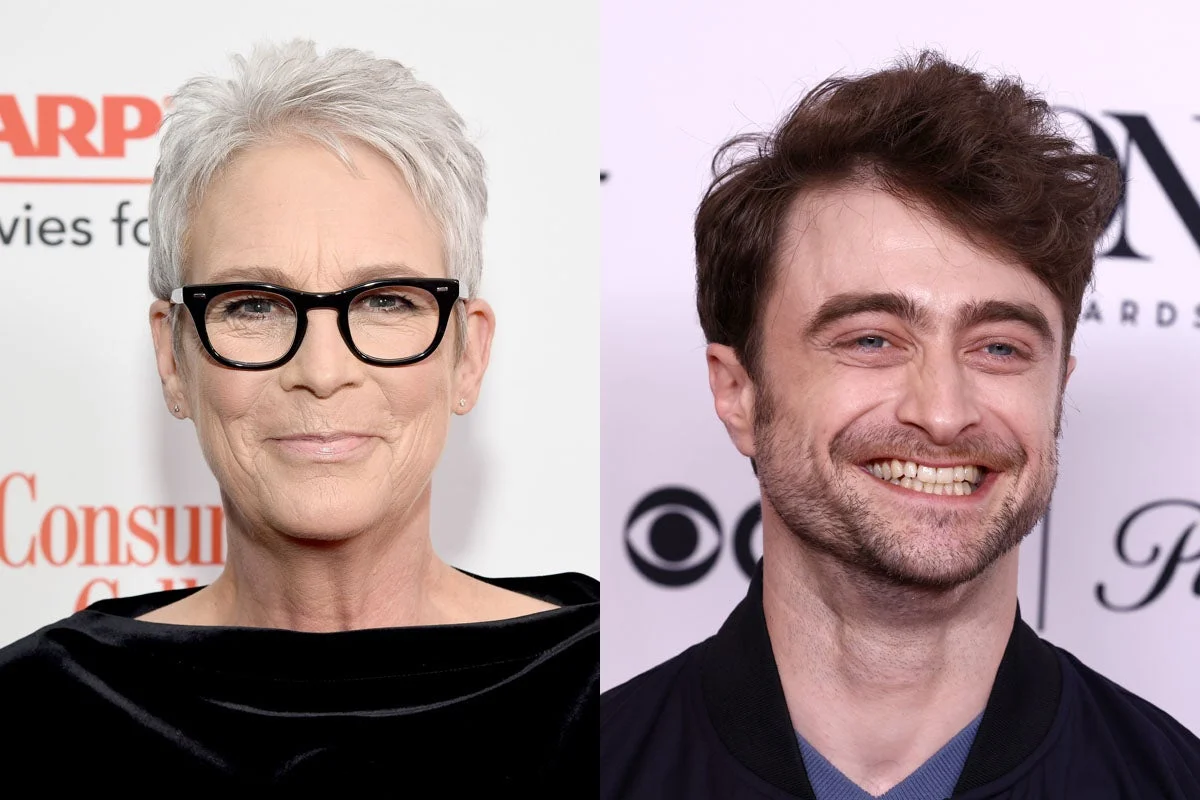
Turning 60 Prompted Curtis to Reflect on Life and Mortality
Reaching a milestone age has shifted Curtis’s viewpoint, causing her to reassess both her professional goals and personal priorities. She shared that turning 60 brought her face to face with the reality of her mortality, which in turn ignited a stronger focus on how she allocates her time and energy.
I turned 60 and realized I was going to die sooner than later…
she noted.
This awareness has fueled a powerful sense of urgency in her life.
I have no effing time to waste,
Curtis stated.
No time to waste on toxic people, on relationships that don’t serve me.
For Curtis, the awareness of life’s finiteness acts as motivation rather than a source of fear.
Curtis Finds Freedom in Embracing Natural Aging
Part of her candidness about aging includes fully accepting her physical appearance, rejecting societal pressure to conceal the visible signs of getting older. Curtis emphasized how embracing her “crepey skin” has become an act of liberation.
Accepting my crepey skin and showing it anyway. That’s freedom,
she explained.
I understand what I look like. I look in the mirror. I get it. And there’s no need for me to alter it.
This evolved mindset has allowed her to approach both her craft and life with deeper authenticity.
Everything I do has to come from emotion,
Curtis added.
And to me, emotion is freedom. I feel people. That has been a gift for me as an actor because all acting is emotion with words.
Bringing ‘Scarpetta’ to Screen: A Five-Year Commitment
Alongside her personal reflections, Curtis discussed her involvement in the upcoming Prime Video adaptation of Patricia Cornwell’s Scarpetta novels, a project she helped develop over several years. Her close friendship with Cornwell played a role in sparking the idea to adapt the popular crime series for television.
I knew that these books were great, and I’ve always been curious about why they haven’t been brought to the screen,
Curtis said.
I’m friends with Patricia (Cornwell). At one point, I said to her, ‘What’s up with ‘Scarpetta?’’ And she goes, ‘Nothing.’ And then it was that moment of like, oh.
Taking on a more authoritative role behind the scenes, Curtis became a producer and was instrumental in acquiring the rights to the entire book series.
I’m a producer now. I get to be a boss,
she explained.
And all of a sudden I thought, ‘Well, let’s buy these books.’ And we bought all of them. We made this huge deal with Patricia.
This effort ultimately led to a collaboration with Nicole Kidman, bringing further prominence to the series.
Loss and Mortality Drive Curtis’s Creative Passion
Despite decades of achievements, recent personal losses have intensified Curtis’s determination to continue working and making meaningful contributions. She described how experiencing death in her life over the past months has strengthened her resolve rather than diminished it.
In my personal life, there’s been a lot of death and loss in the last three months that has rocked us all,
Curtis shared.
If anything, it makes you get up the next morning with more passion, more need to do what you’re here to do, say what you need to say, love who you need to love, fight the fight you need to fight.
This understanding of mortality sustains her motivation to pursue her goals with vigor.
Mortality is simply an activator for me. I have some sh-t to do before I go, and I’m going to try to do it.
Jamie Lee Curtis’s reflections on aging, mortality, and creativity underscore significant issues about how Hollywood treats its aging performers while also illustrating how she continues to redefine her career on her own terms. Her embrace of authenticity and refusal to hide the physical and emotional realities of aging may inspire others in the industry to challenge entrenched norms. As Curtis advances with new projects like Scarpetta, her voice adds critical perspective to ongoing conversations about ageism and representation in entertainment.
